Real talk - sustainability isn't just a checkbox for us. It's literally woven into everything we do, from breathing new life into century-old structures to designing homes that'll outlast current trends by decades.
Look, we've been in this game long enough to know that the greenest building is usually the one that already exists. But when you're creating something new or restoring what's old, there's a ton we can do to minimize impact while maximizing longevity.
Across our retrofit projects, we're hitting an average of 87% energy reduction compared to pre-renovation baselines. That's not just good for the planet - it's cutting operating costs dramatically for building owners.
When we're restoring heritage buildings, we salvage and reuse over 92% of original materials. Those old-growth timbers and hand-made bricks? They're irreplaceable, and they've got decades more life in 'em.
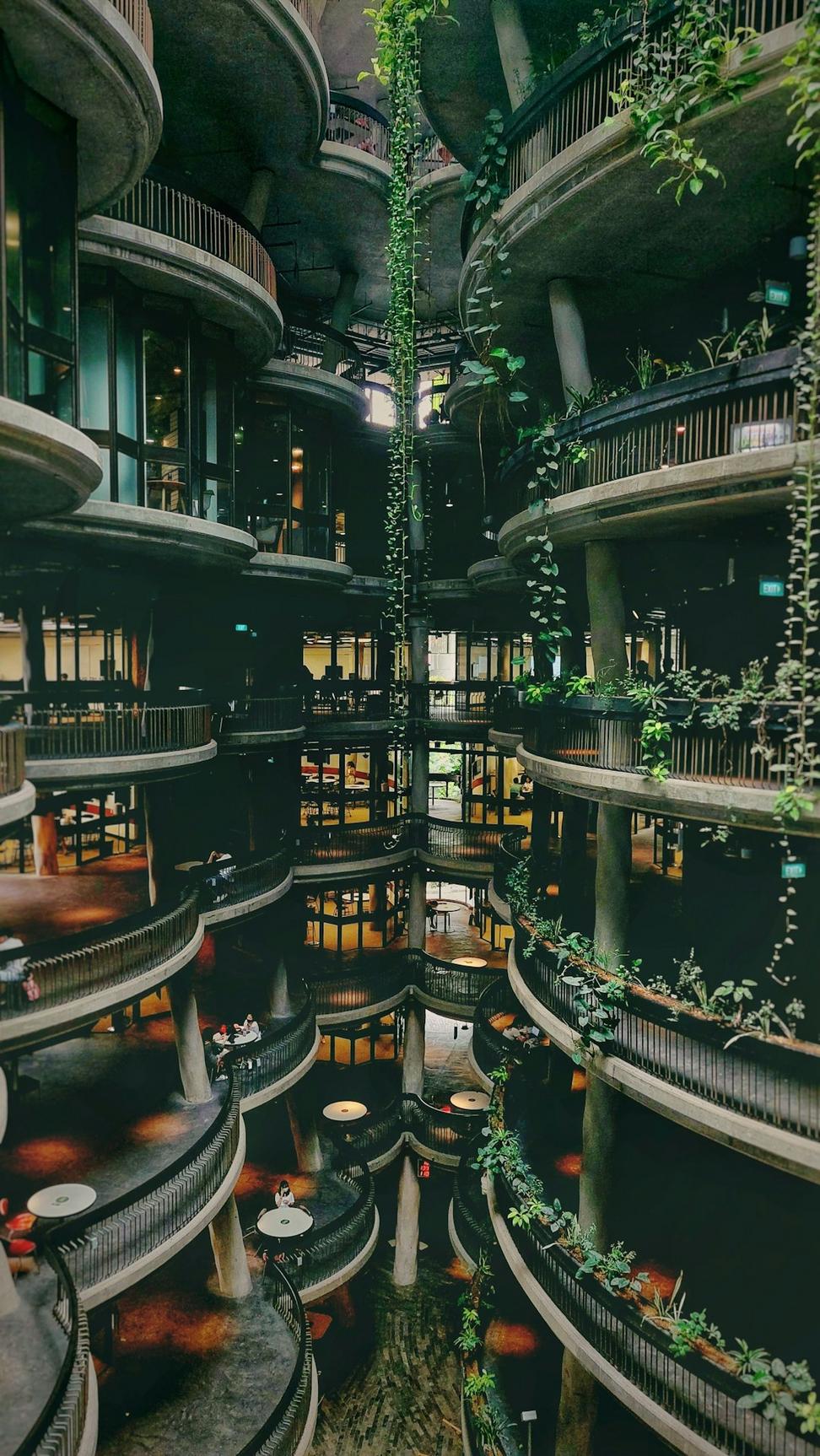
One of our urban revitalization projects - transformed a 1920s warehouse into a net-zero commercial space
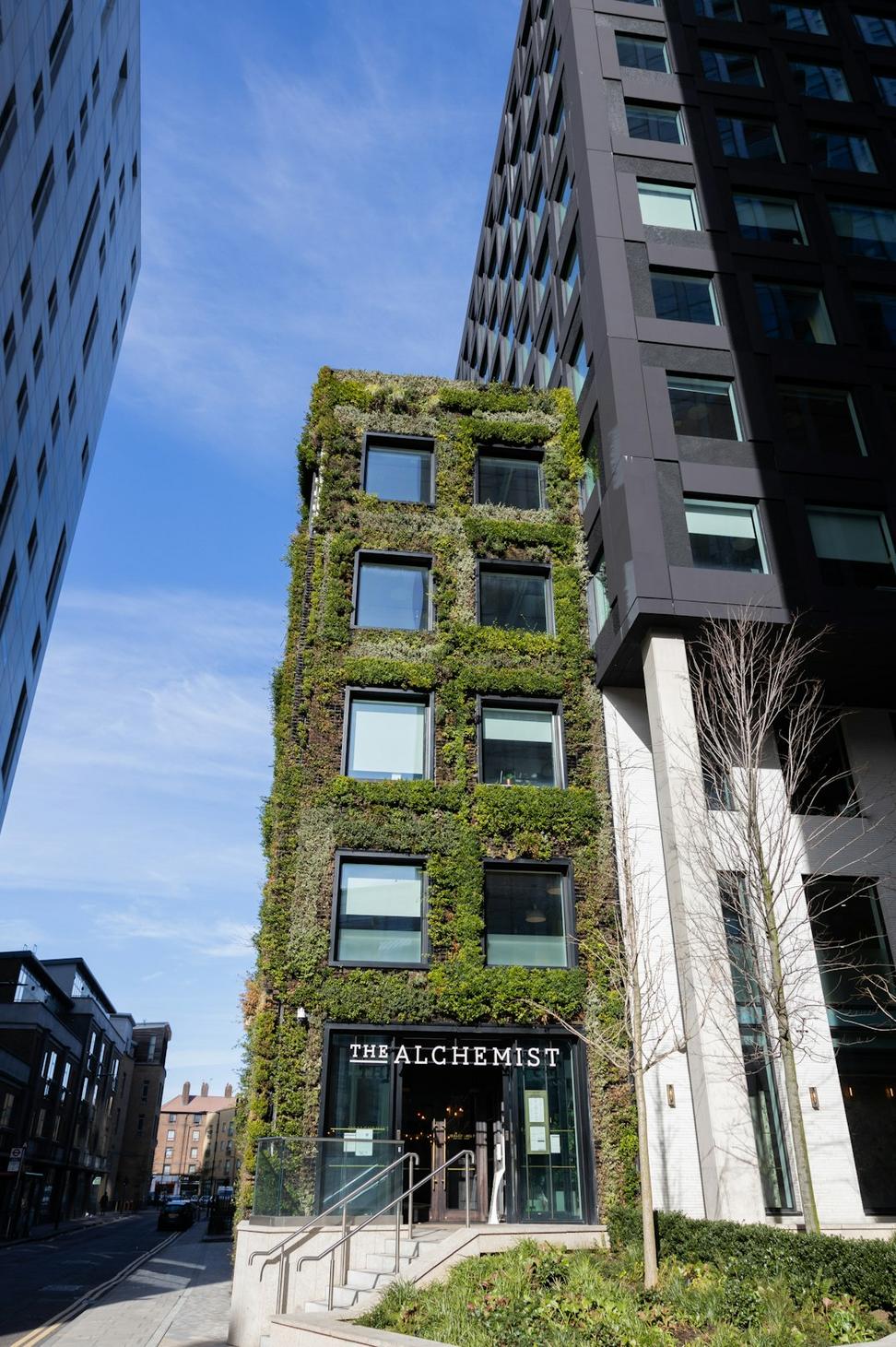
We don't just talk the talk - we've got the credentials to back it up
Multiple team members hold LEED AP credentials across various specialties
Active members of Canada Green Building Council since 2012
Certified Passive House designers on staff
Trained in Net Zero energy building design standards
We start by understanding what you've already got. Every site has its own microclimate, existing vegetation, solar orientation - ignoring these is just throwing money away later.
Local sourcing wherever possible. We've built relationships with suppliers who get it - reclaimed materials, low-embodied carbon options, stuff that'll actually last beyond the warranty period.
We run the numbers early and often. Computer simulations help us predict performance before anything's built, so there're no nasty surprises when the utility bills start coming in.
From rainwater harvesting to greywater systems, we're finding ways to reduce municipal water demand. In heritage projects, we're often dealing with original drainage systems that just need smart upgrades.
People spend 90% of their time indoors, so yeah, this matters. Low-VOC materials, proper ventilation design, natural daylighting - it all adds up to healthier spaces.
We design for change. Buildings need to adapt over their lifespan, so we're building in flexibility from day one - whether that's modular systems or spaces that can shift use without major renovations.
Here's something that doesn't get talked about enough - preserving old buildings is inherently sustainable. The embodied energy in existing structures is massive, and tearing 'em down to build "green" from scratch often doesn't make environmental sense.
We've spent years figuring out how to retrofit heritage buildings with modern efficiency without compromising their character. It's a delicate balance, but when you get it right? You've got a building that honors its history while performing better than most new construction.
The best part is watching these old structures get a second life. Buildings that were headed for demolition become community anchors again, using a fraction of the resources a new build would've required.
We track performance data on all our projects. Here's what we're seeing: